Cybersecurity Chronicles: Safeguarding Your Digital World
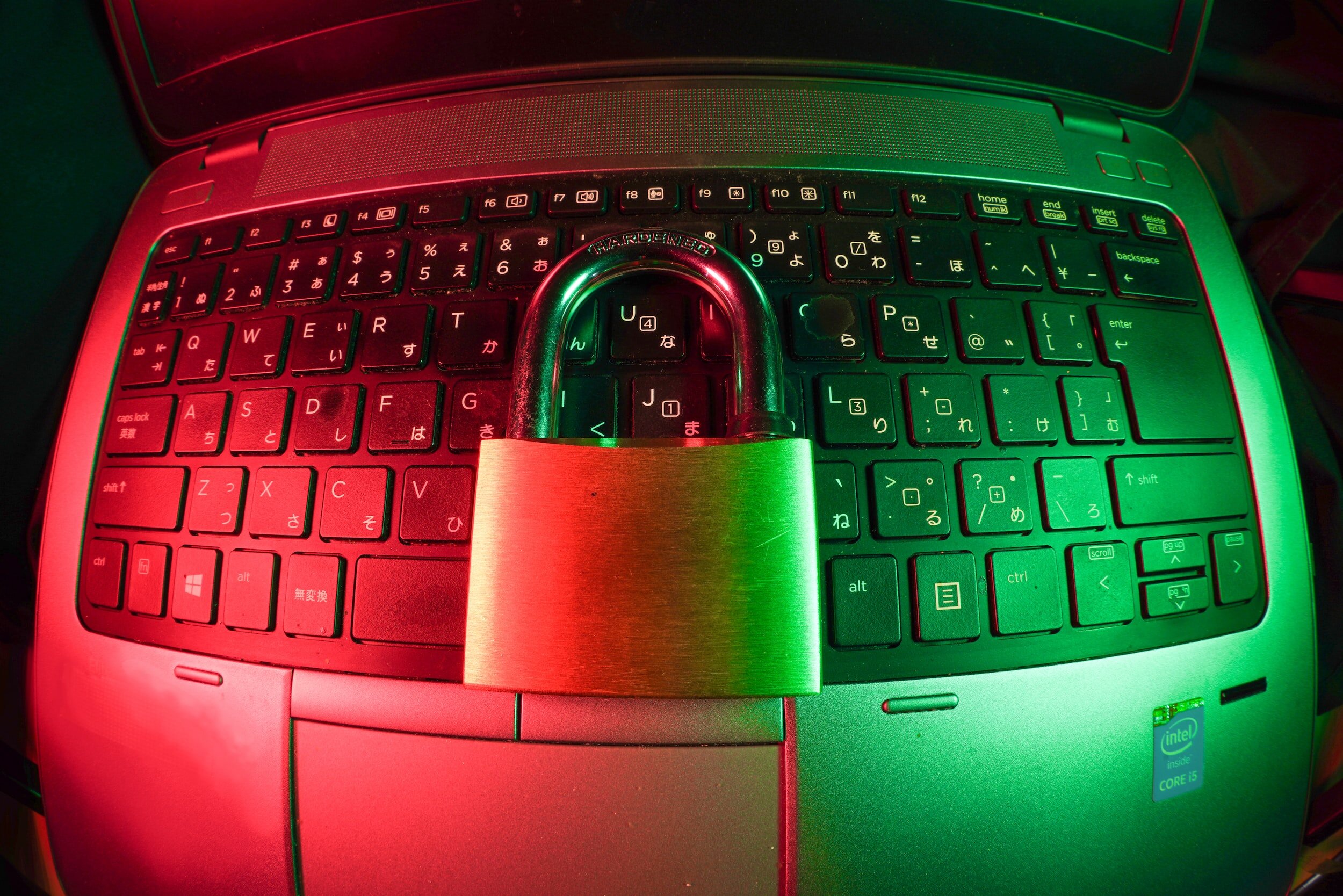
Welcome to Cybersecurity Chronicles, a blog series where I will share tips and tricks on how to protect your online privacy and security. In this post, we will cover some of the basics of cybersecurity and why it matters for everyone.
What is Cybersecurity?
Cybersecurity is the practice of defending your devices, networks, and data from unauthorized access, theft, or damage. It is important because cyberattacks can have serious consequences for individuals, businesses, and governments. For example, cyberattacks can:
Compromise your personal information, such as passwords, bank accounts, or identity documents. This can lead to identity theft, fraud, or blackmail.
Damage your devices or corrupt your files. This can result in data loss, malfunction, or repair costs.
Disrupt your online services or communication. This can affect your productivity, connectivity, or access to essential resources.
Expose your sensitive or confidential data to hackers or third parties. This can violate your privacy, security, or intellectual property rights.
Harm your reputation or credibility. This can damage your trustworthiness, reputation, or brand image.
Cause financial losses or legal liabilities. This can incur fines, lawsuits, or compensation claims.
Cybersecurity habits and practices
To prevent these risks, you need to adopt some good habits and practicies below
Here are some of the basic steps you can take to safeguard your digital world:
Use strong and unique passwords for each of your online accounts and devices. A strong password should be at least 12 characters long and include a mix of letters, numbers, and symbols. A unique password should not be reused for different accounts or devices.
Enable multi-factor authentication (MFA) whenever possible. MFA is a security feature that requires you to provide more than one piece of evidence to verify your identity when logging in to an online service or device. For example, you may need to enter a code sent to your phone or email after entering your password.
Update your software and applications regularly. Updates often contain security patches that fix vulnerabilities or bugs that hackers can exploit. You should enable automatic updates or check for updates manually on a regular basis.
Avoid clicking on suspicious links or attachments in emails or messages. These may contain malware or phishing attempts that can infect your device or steal your information. You should always verify the sender and the content of any email or message before opening it.
Use a reputable antivirus program and firewall on your devices. An antivirus program can detect and remove malware from your device. A firewall can block unauthorized traffic from entering or leaving your device. You should choose a trusted antivirus program and firewall and keep them updated.
Backup your data regularly and store it in a secure location. A backup is a copy of your data that you can restore in case of data loss or corruption. You should backup your data frequently and store it in a different device or cloud service that is encrypted and password-protected.
Be careful about what you share online and who you trust. You should not share any personal or sensitive information online unless you are sure of the recipient and the purpose. You should also be wary of any unsolicited requests for information or assistance from strangers or unfamiliar sources.
Educate yourself and others about cybersecurity threats and best practices. You should stay informed about the latest cybersecurity trends and issues and learn how to protect yourself from them. You should also share your knowledge and experience with others who may benefit from it.
Conclusion
These are just some of the ways you can improve your cybersecurity posture and protect yourself from cyberattacks. Remember, cybersecurity is not a one-time thing, but an ongoing process that requires constant vigilance and awareness. Stay tuned for more Cybersecurity Chronicles posts where we will dive deeper into specific topics and scenarios related to cybersecurity.


Comments
Post a Comment